

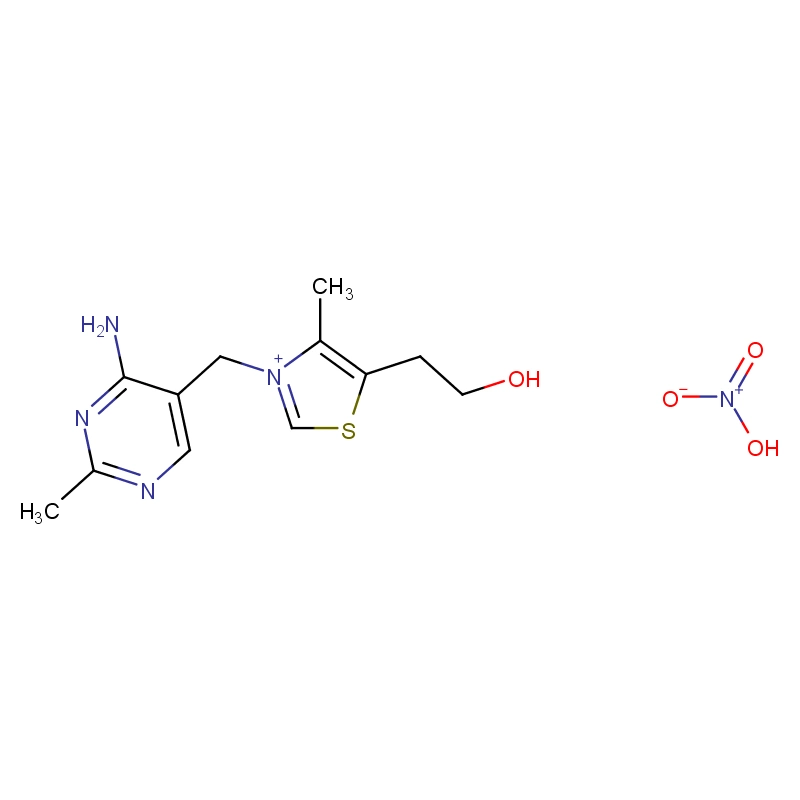
Product Description of Cellulose Acetate Butyrate CAS#9004-36-8
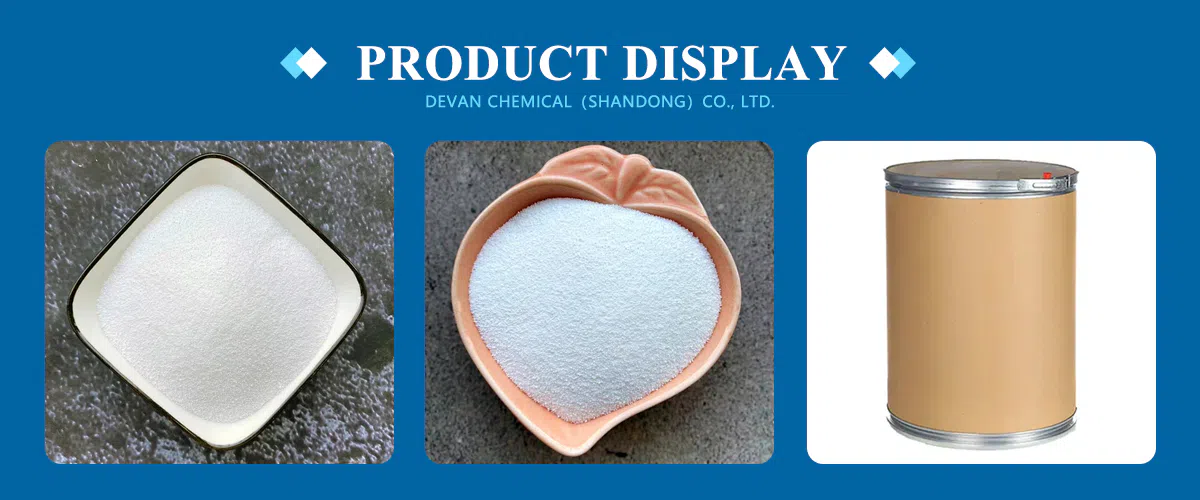
Cellulose acetate butyrate is a thermoplastic cellulose derivative supplied as white or pale-yellow granular solid. Its chemical property is decided by acetyl and butyryl substitution degree, with typical butyryl content ranging from 17-50 percent.
This polymer owns outstanding solubility performance. Standard-grade samples dissolve well in strong-polar solvents, while high-butyryl variants are compatible with alcoholic solvents. It possesses favourable surface gloss, low-temperature toughness and good weather-proof capability.
The material features low-moisture absorption and excellent compatibility with numerous plasticizers. These comprehensive physical traits make it simple to process for coating, film and mould-made finished goods.
Cellulose Acetate Butyrate Chemical Properties
| Melting point | 127-240 °C |
| density | 1.25 g/mL at 25 °C(lit.) |
| refractive index | n20/D 1.475(lit.) |
| storage temp. | 2-8°C |
| solubility | Practically insoluble in water, soluble in acetone, in formic acid and in a mixture of equal volumes of methanol and methylene chloride, practically insoluble in ethanol (96 per cent). |
| form | Granular Crystalline Powder |
| color | White |
| Dielectric constant | 3.2(Ambient) |
| EPA Substance Registry System | Cellulose acetate butyrate (9004-36-8) |
| Safety Statements | 22-24/25 |
| WGK Germany | - |
| HS Code | 39129000 |

Product Application of Cellulose Acetate Butyrate CAS#9004-36-8
Thanks to its outstanding weather resistance, transparent property and good-solvent adaptability, cellulose acetate butyrate serves as a premium resin raw material for multiple industrial sectors.
It is widely adopted in high-grade surface coatings for plastic substrates, automobile accessories and metal protection coatings. Besides, the thermoplastic substance can be processed into optical sheets, transparent packaging films and injection-molded decorative components.
It also works as a functional additive for printing inks and nail-care cosmetics. Its excellent compatibility with plasticizers allows manufacturers to prepare flexible film materials. Some grades are utilised as binding agents in specialty-grade adhesive formulations.