
Products Description of Stannous Methanesulfonate CAS#53408-94-9
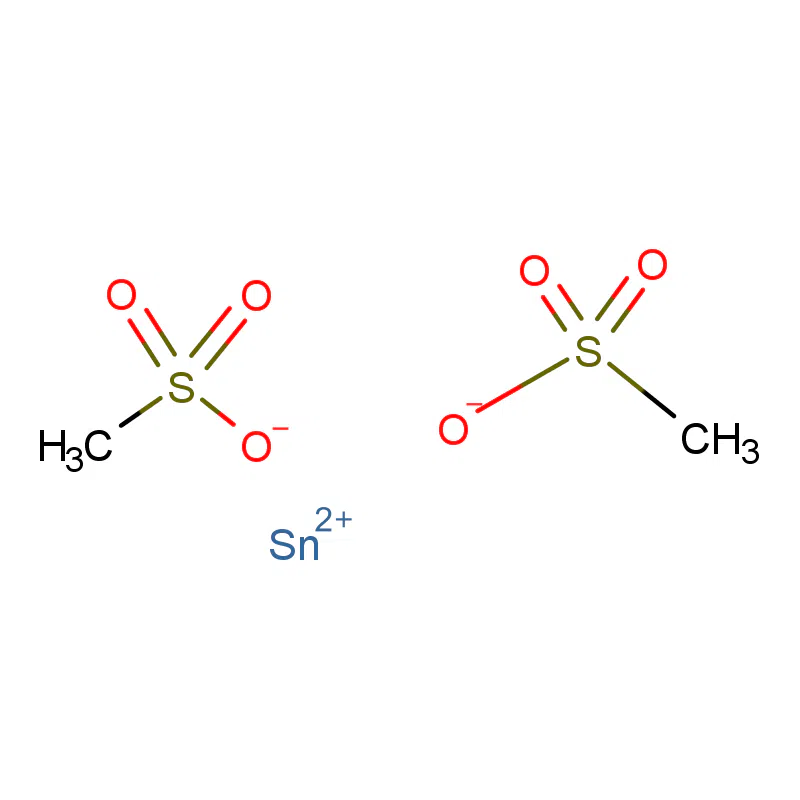
Stannous Methanesulfonate is a high-purity industrial chemical widely applied in electroplating and electronic manufacturing fields. It features a chemical formula of (CH₃SO₃)₂Sn and a molar mass of around 308.93.
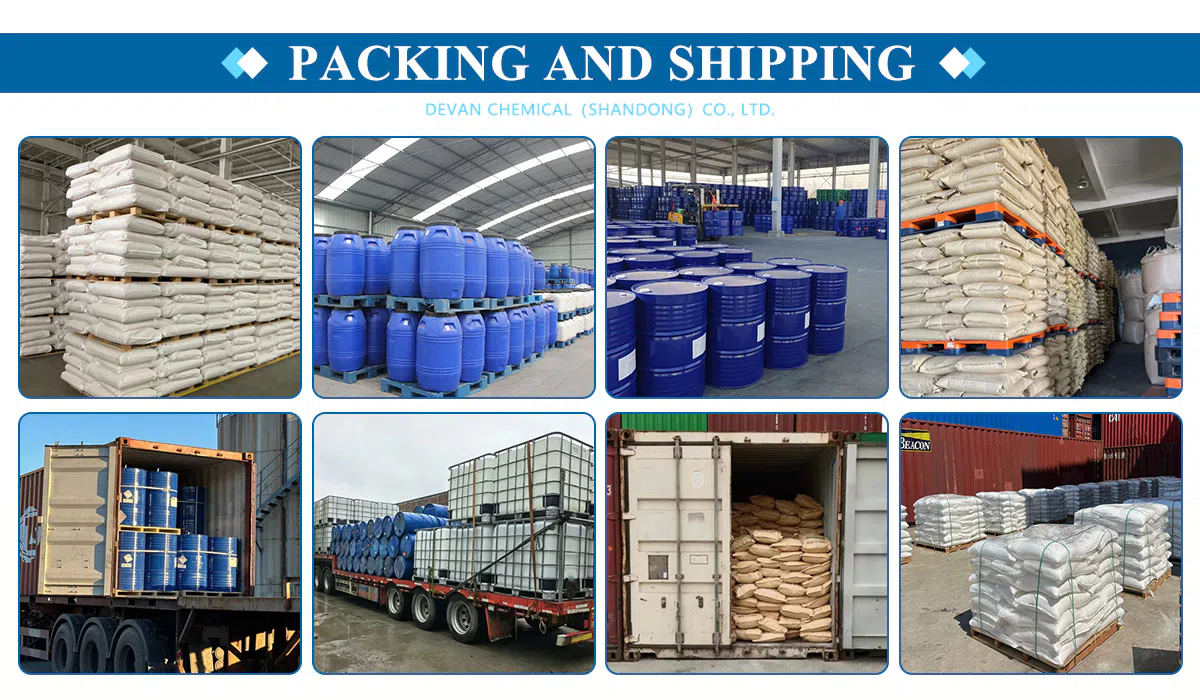
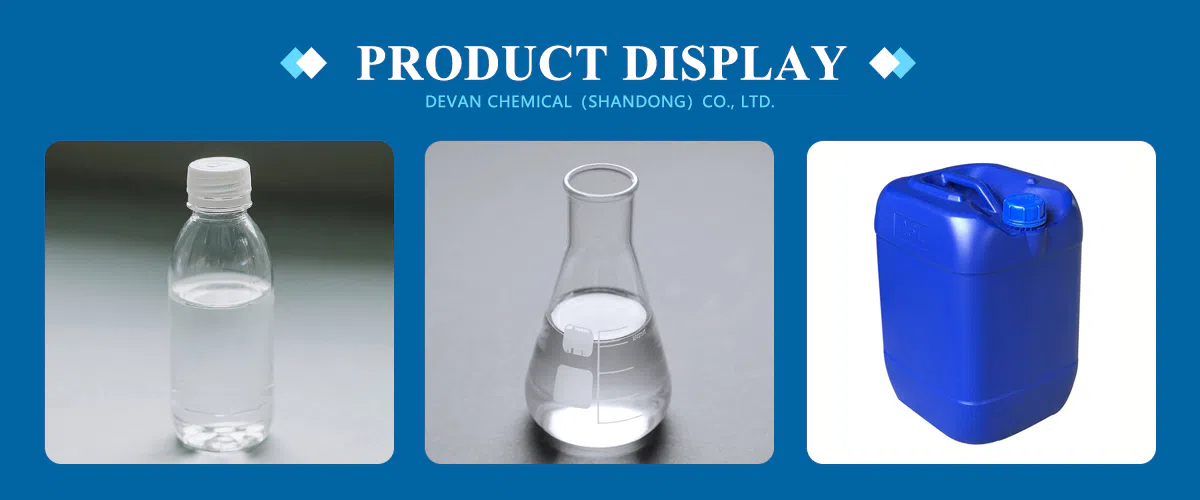
This compound is commonly utilized for metal surface finishing, electronic component fabrication and conductive material synthesis. In terms of physical traits, the product presents as a clear, colorless liquid with a density ranging from 1.53 to 1.55 g/cm³ under standard conditions. It should be stored in sealed, light resistant HDPE containers under nitrogen, in a cool and dry place below 25 degrees C, away from heat, sunlight, oxidizers and moisture.
Stannous Methanesulfonate Chemical Properties
| Melting point | -27°C |
| density | 1.53~1.55g/cm³ |
| refractive index | 1.444 |
| Water Solubility | Not miscible or difficult to mix in water. |
| Sensitive | Air Sensitive |
| Hydrolytic Sensitivity | 0: forms stable aqueous solutions |
| Exposure limits | ACGIH: TWA 0.1 mg/m3; STEL 0.2 mg/m3 (Skin) |
| NIOSH: IDLH 25 mg/m3; TWA 0.1 mg/m3 | |
| InChIKey | JALQQBGHJJURDQ-UHFFFAOYSA-L |
| CAS DataBase Reference | 53408-94-9(CAS DataBase Reference) |
| EPA Substance Registry System | Methanesulfonic acid, tin(2+) salt (53408-94-9) |
| Hazard Codes | C,N |
| Risk Statements | 22-34-43-51/53 |
| Safety Statements | 22-26-36/37/39-45-61 |
| RIDADR | UN 3265 |
| WGK Germany | 1 |
| TSCA | Yes |
| HazardClass | 8 |
Product Application of Stannous Methanesulfonate CAS#53408-94-9
Stannous Methanesulfonate stands for a popular tin-plating raw-material within modern-day electroplating sector. It can replace conventional fluoroborate plating bath to cut down hazardous waste and ease environmental burdens. This reagent delivers fine-grained, bright tin coating for metal-part surface finishing. It is widely employed to process circuit boards, wiring terminals and other electronic hardware.
Besides electroplating services, it acts as an efficient catalyst for several organic synthetic reactions. The chemical can also be prepared into conductive additives for functional materials. Thanks to its stable performance and low-pollution traits, it gains growing popularity among eco-conscious metal-treatment manufacturers.