

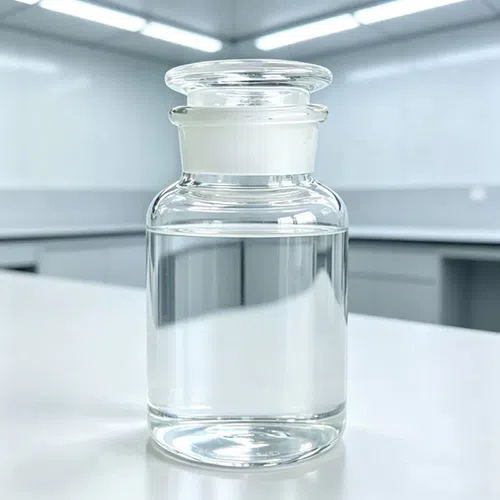
Dichloromethane (also known as methylene chloride, abbreviated as DCM), with CAS number 75-09-2, molecular formula CH2Cl2 and molecular weight 84.93, is one of the simplest and most widely used chlorinated aliphatic solvents. Thanks to its moderate boiling point, good dissolving power and relatively low toxicity, dichloromethane holds an irreplaceable position in organic synthesis, the pharmaceutical industry, paint stripping and food extraction.
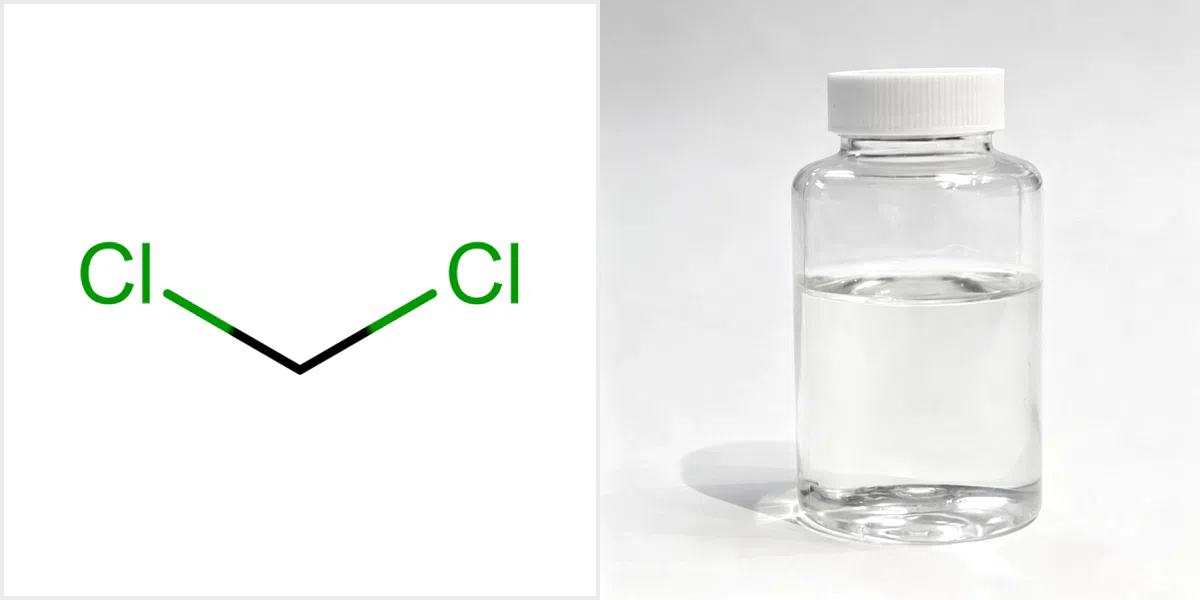
Physical and Chemical Properties
| Property | Value |
| Appearance | Colorless transparent liquid, sweet chloroform-like odor |
| Melting point | -97 °C |
| Boiling point (atmospheric) | 39.8-40 °C |
| Density | 1.325 g/mL (25 °C) |
| Refractive index (n20/D) | 1.424 |
| Water solubility | About 20 g/L (20 °C) |
| Vapor density | 2.9 (air = 1) |
| Vapor pressure | About 46.5 kPa (20 °C) |
| Flash point | None (non-flammable) |
| Dielectric constant | 9.1 (20 °C) |
| Polarity | Polar aprotic solvent |
| LogP (octanol-water) | 1.25 |
| EINECS No. | 200-838-9 |
| MDL No. | MFCD00000881 |
Applications
Dichloromethane is one of the most commonly used extraction and reaction solvents in organic synthesis laboratories. Its low boiling point allows the solvent to be recovered by simple rotary evaporation, making it suitable for the separation and purification of heat-sensitive substances. In Grignard reactions, Friedel-Crafts reactions and various coupling reactions, dichloromethane is often used as the reaction medium. In the pharmaceutical industry, dichloromethane is used in drug extraction, crystallization and cleaning processes, and the production of many active pharmaceutical ingredients involves dichloromethane as a solvent.
In the food industry, dichloromethane was once widely used in caffeine removal processes, namely extracting caffeine from coffee beans and tea leaves. Although supercritical CO2 extraction technology has partly replaced this use, the dichloromethane extraction method is still in use. In coatings and paint strippers, dichloromethane is a core component of stripper formulations because of its strong dissolving power and low flammability. In addition, dichloromethane is used as a blowing agent for polyurethane foam and as a mobile phase in gas chromatography.

Production Processes
There are two main industrial routes for producing dichloromethane. The first is the methane chlorination route, in which methane reacts with chlorine gas at 380 to 400 °C in a thermal chlorination reaction, producing a mixture of monochloromethane, dichloromethane, chloroform and carbon tetrachloride, which are separated into individual products by distillation. This route is technologically mature and is the mainstream industrial method worldwide. The second is the methanol chlorination route, in which methanol and hydrogen chloride are used to first prepare monochloromethane, which is then converted to dichloromethane by photochlorination or thermal chlorination. Companies such as Tokuyama in Japan use this route. Both routes co-produce other chloromethane products alongside dichloromethane, and the product ratio can be adjusted through process conditions. The purity of industrial-grade dichloromethane is typically above 99.5%, and free acid, moisture and residual chloromethane content must be controlled.
Safety, Storage and Transport
Although dichloromethane is not flammable, it has a certain degree of toxicity. The threshold limit value (TLV-TWA) recommended by ACGIH is 50 ppm (about 175 mg/m3), and IARC classifies it as a Group 2A possible carcinogen. Short-term high-concentration exposure can cause central nervous system depression, headache and nausea, while long-term exposure may affect the liver and cardiovascular system. Operations should be carried out in a well-ventilated environment, avoiding inhalation of vapors. Hazard statements include H315 (skin irritation), H319 (eye irritation), H336 (drowsiness or dizziness) and H351 (suspected of causing cancer). It should be stored sealed in a cool, ventilated place, away from oxidizing agents and active metals (such as aluminum and magnesium, with which it can undergo dangerous reactions). Dichloromethane causes swelling of plastics and rubbers, so storage containers should be made of glass or metal.
Market Overview
Dichloromethane is one of the largest-volume chlorinated solvents in the world, with global annual capacity exceeding 1 million tons. China is a major producer and consumer of dichloromethane, with domestic capacity of about 600,000 tons in 2024. Downstream demand mainly comes from the pharmaceutical, agrochemical, coatings and polyurethane foam sectors. In terms of price, the market price of dichloromethane is strongly affected by the prosperity of the chlor-alkali industry and fluctuations in downstream demand; in 2024 the domestic market price ranged roughly between RMB 3,000 and 5,000 per ton. On the supply-chain side, chemical supply-chain platforms have incorporated dichloromethane into their basic organic solvent product systems, supporting price comparison procurement and supplier matching across different purity grades (industrial grade, chromatographic grade, UV grade), making it convenient for buyers to select the appropriate specification according to their use. As environmental regulations tighten, some European and American countries have restricted the use of dichloromethane in consumer paint strippers, but demand in the industrial and pharmaceutical fields is expected to remain stable.
Procurement Tips
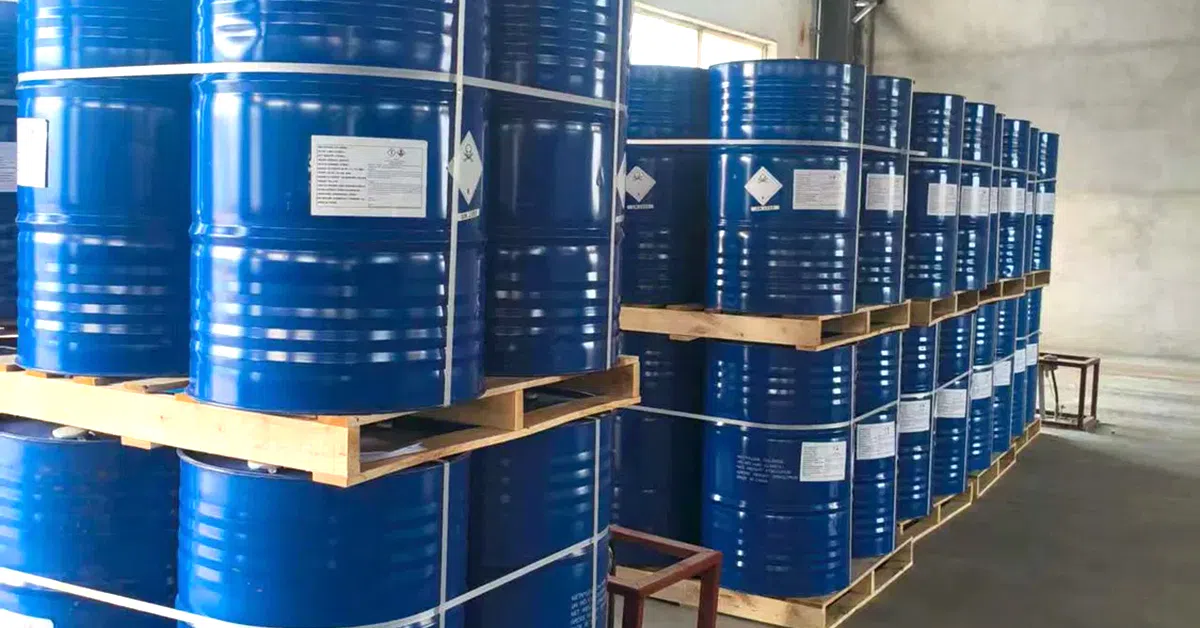
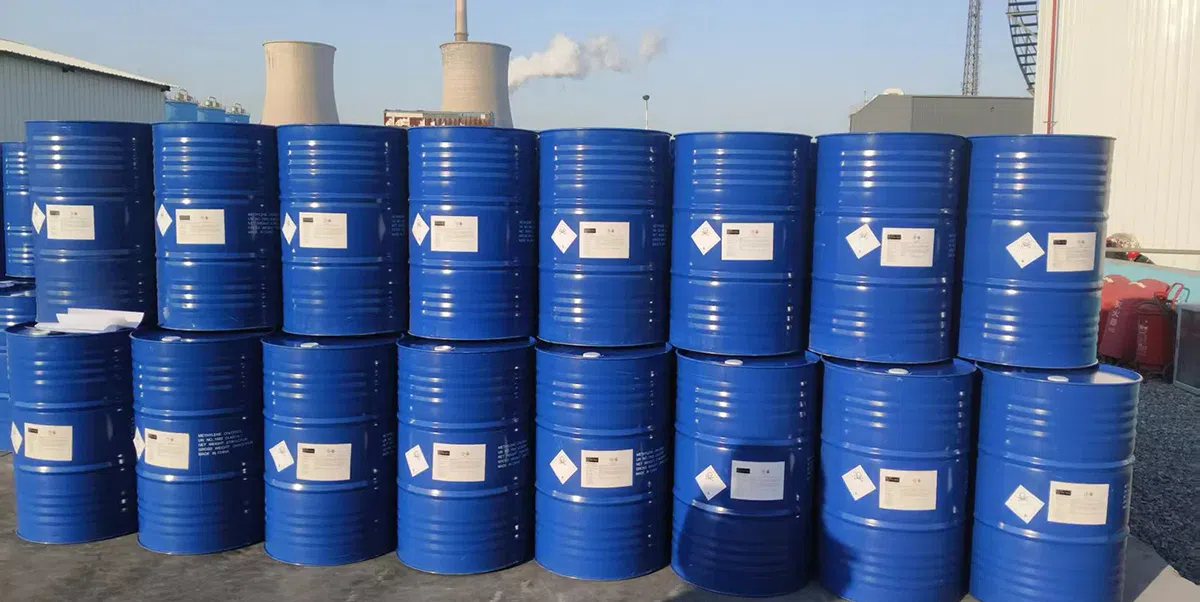
When purchasing dichloromethane, select the purity grade according to the intended use. For industrial purposes, 99.5% purity can be chosen; for laboratory extraction, analytical reagent (AR) or chromatographic grade is appropriate; and for UV detection applications, a UV-grade product with low UV absorption should be selected. Key indicators include purity, moisture content (not exceeding 0.01%), free acid content and color. Common packaging includes 250 mL and 500 mL glass bottles or 250 kg iron drums. During storage and use, attention should be paid to ventilation and personal protection, and waste liquid must be collected separately and classified in accordance with regulations.
Frequently Asked Questions
Why is dichloromethane non-flammable?
The dichloromethane molecule contains two chlorine atoms, and the radical-capture effect of chlorine atoms prevents the combustion chain reaction from being sustained in air. Its flash-point test result is non-flammable, which is a common phenomenon among chlorinated solvents. However, note that under specific conditions (such as high-concentration vapors coming into contact with strong oxidizing agents), safety risks still exist.
What is the difference between dichloromethane and chloroform?
Dichloromethane (CH2Cl2) contains two chlorine atoms, while chloroform (CHCl3) contains three. Dichloromethane has a lower boiling point (40 °C vs 61 °C), relatively lower toxicity, and a lower carcinogenic risk than chloroform. In the laboratory, dichloromethane has largely replaced chloroform as the general-purpose extraction solvent.
How should dichloromethane waste liquid be disposed of after use?
Dichloromethane waste liquid is classified as hazardous waste (HW06 organic halide waste) and must not be discharged directly. It should be collected separately in dedicated waste-liquid containers and handed over to a unit qualified to handle hazardous waste for disposal. Common treatment methods include incineration (equipped with a hydrogen chloride absorption unit) and solvent recovery and regeneration.


