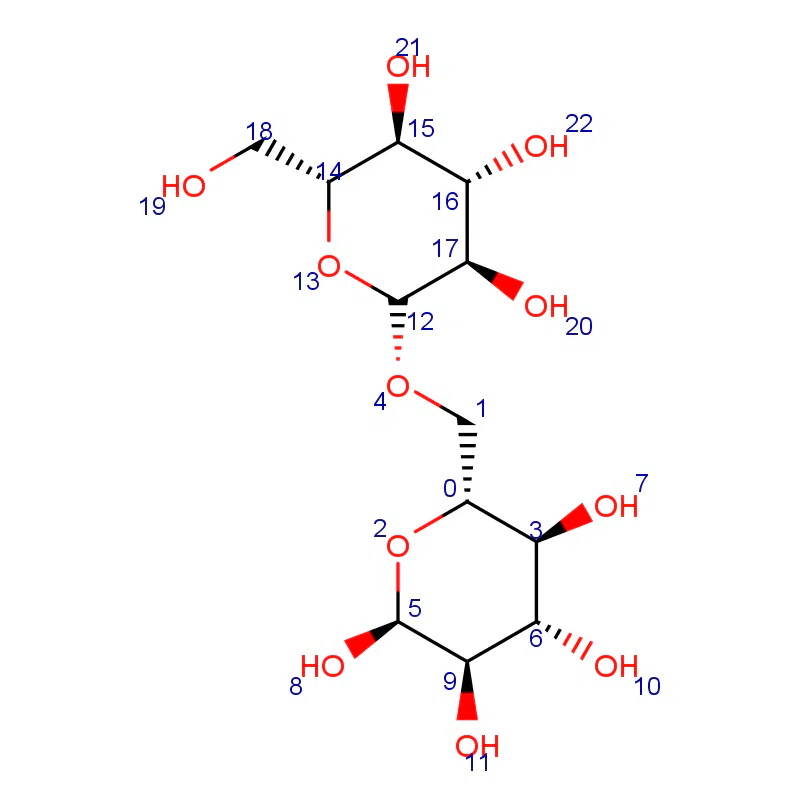
Products Description of Polydextrose CAS#68424-04-4
Polydextrose is a water soluble dietary fiber produced by the high temperature polycondensation of glucose with sorbitol and citric acid, having an average molecular weight of about 2000-3000 and a low calorie value of approximately 1 kcal per gram. It is supplied as a white to off-white powder that is odorless with a mild sweet taste, and it dissolves readily in water to form a clear, colorless solution, with a pH of about 2.5-4.5 in a 10% aqueous solution. Because it is resistant to digestion in the small intestine, polydextrose passes largely intact into the large intestine, where it acts as a soluble dietary fiber and supports digestive health and the growth of beneficial gut bacteria.
Once ingested and absorbed by the digestive system, polydextrose exerts unique physiological and metabolic regulatory effects. It effectively improves and relieves constipation problems and inhibits excessive fat deposition in the body. Via ion exchange and colloid formation mechanisms, it lowers the absorption of harmful and potential carcinogenic substances, regulates human cholesterol levels, reduces intestinal beta-glucosidase activity, and mitigates risk factors that contribute to vascular sclerosis.
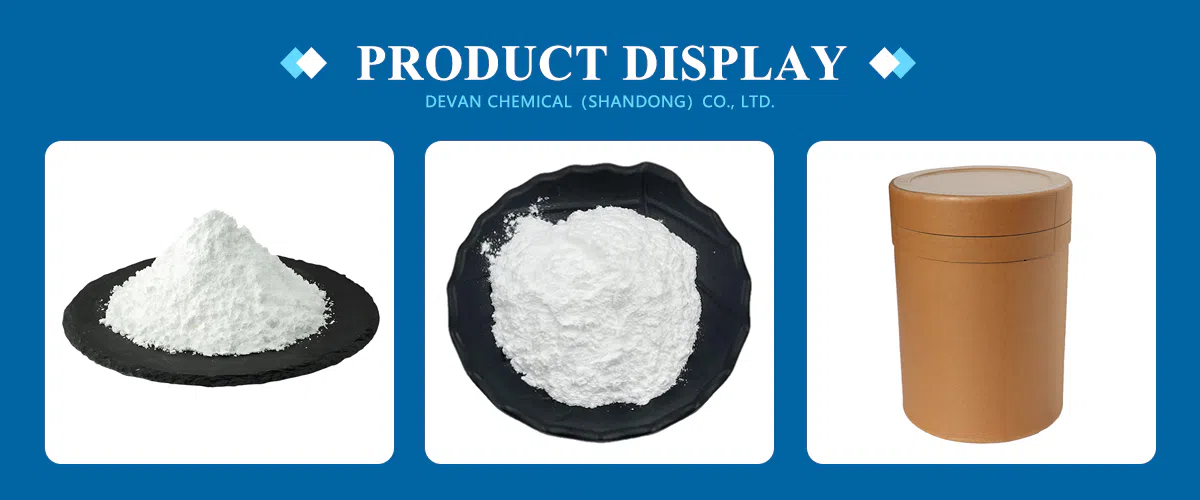
Polydextrose Chemical Properties
| Melting point | >130° |
| storage temp. | 4°C, Hygroscopic |
| solubility | Completely miscible in water. Sparingly soluble to insoluble in most organic solvents. Polydextrose has a higher water solubility than most carbohydrates and polyols, allowing the preparation of 80% w/w solutions at 20°C. Polydextrose is soluble in ethanol and only partially soluble in glycerin and propylene glycol. |
| form | Solid |
| color | White to Off-White |
| Odor | at 100.00 %. odorless |
| Odor Type | odorless |
| Stability: | Hygroscopic |

Product Application of Polydextrose CAS#68424-04-4
As a versatile food-grade additive, polydextrose works as a thickening agent, volume-increasing filler and processing auxiliary agent. It serves as a core raw material for manufacturing nutritious food marked with low-calorie, low-fat, low-cholesterol and low-sodium characteristics.
Inside food recipes, this substance delivers satisfactory volume and texture, optimizes the tasting experience of greasy food items and adapts well to chilled snacks owing to its low freezing-point property. It will not trigger dental caries. With its low energy value of 4.18 KJ per gram, it helps cut the dosage of sugar, grease and starch during preparation.
Apart from sugar-reduced food and meals designed for diabetics, it is processed into solid and liquid health-care drinks. Consumers are allowed to take it straight-forwardly or stir it into drinking water and milk for daily intake.