
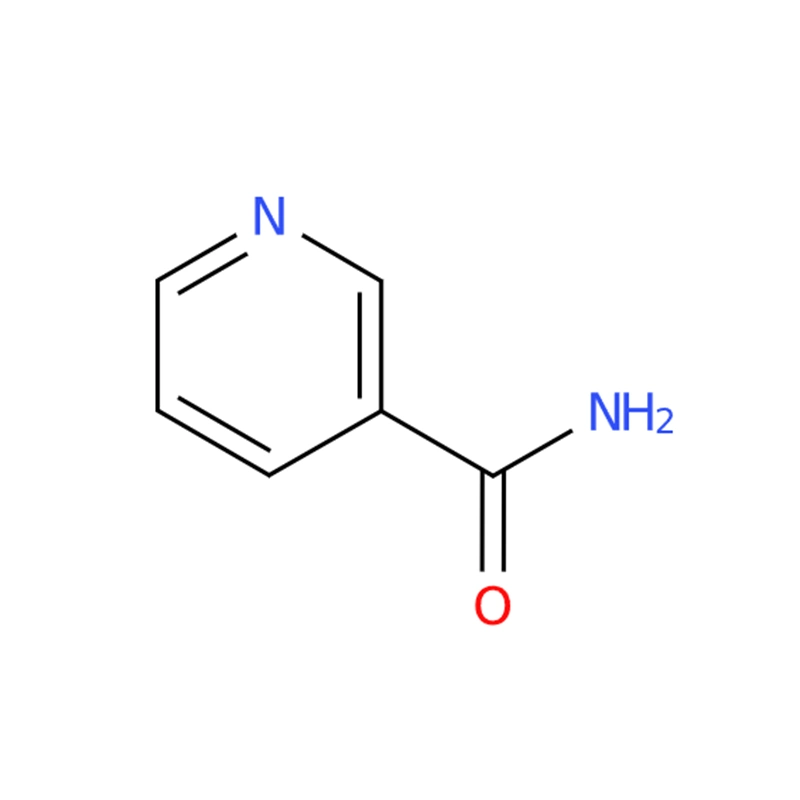
Product Description of Nicotinamide CAS#98-92-0
Nicotinamide, alternatively named niacinamide, vitamin-B3 or vitamin PP, is one water-soluble member within the B-group vitamins. It constitutes an indispensable structural segment of coenzyme I (nicotinamide adenine dinucleotide, NAD) and coenzyme II (nicotinamide adenine dinucleotide phosphate, NADP). The nicotinamide fraction inside the two coenzymes takes part in reversible redox responses and undertakes hydrogen transport throughout biological oxidation. These biochemical activities support tissue respiration, cell-level metabolism as well as energy generation.
This nutrient sustains the healthy state of the skin, digestive mucosa and nerve system. Insufficient intake will hinder cell respiration and metabolism and trigger pellagra. For that reason, the compound is commonly adopted to cope with pellagra, stomatitis, glossitis and other illnesses caused by nutrient shortage.
Nicotinamide Chemical Properties
| Melting point | 128-131 °C(lit.) |
| Boiling point | 150-160 °C |
| density | 1.4 |
| vapor density | 4.22 (vs air) |
| vapor pressure | 0Pa at 25℃ |
| refractive index | 1.4660 (estimate) |
| Fp | 182 °C |
| storage temp. | 2-8°C |
| solubility | 691g/l |
| pka | 3.3(at 20℃) |
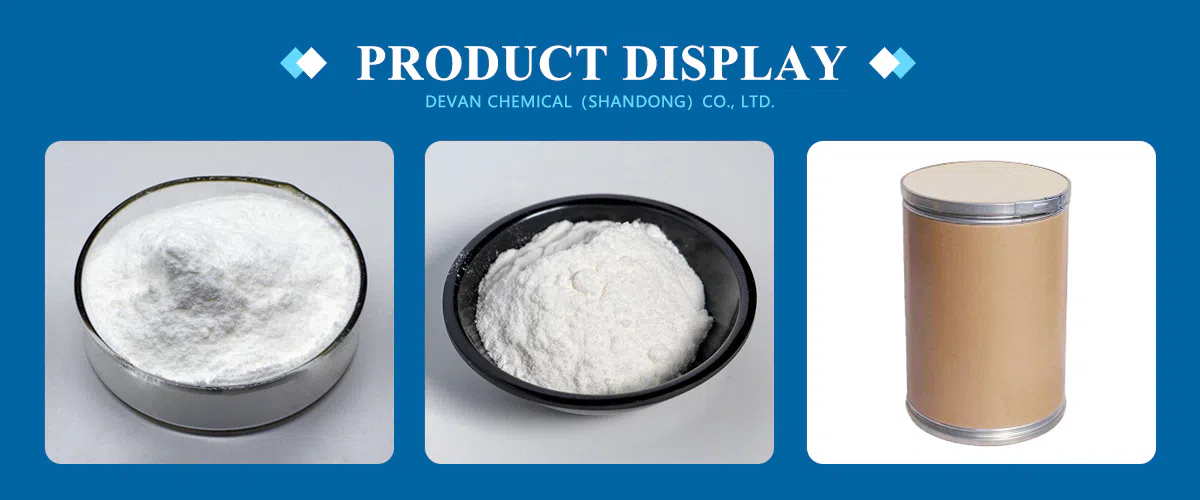
| form | powder |
| color | white |
| PH | 6.0-7.5 (50g/l, H2O, 20℃) |
| Odor | Odorless |
| PH Range | 9 |
| Water Solubility | 1000 g/L (20 ºC) |
| Decomposition | >=200 °C |
| Merck | 146523 |
| BRN | 383619 |
| BCS Class | 1 |
| Stability: | Stable. Incompatible with strong oxidizing agents. |
| InChIKey | DFPAKSUCGFBDDF-UHFFFAOYSA-N |
| LogP | -0.38 at 21℃ |
| CAS DataBase Reference | 98-92-0(CAS DataBase Reference) |
| NIST Chemistry Reference | Niacinamide(98-92-0) |
| EPA Substance Registry System | Nicotinamide (98-92-0) |
Safety Information
| Hazard Codes | Xi,T,F |
| Risk Statements | 36/37/38-39/23/24/25-23/24/25-11 |
| Safety Statements | 26-36-37/39-45-36/37-16-7 |
| RIDADR | UN1230 - class 3 - PG 2 - Methanol, solution |
| WGK Germany | 1 |
| RTECS | QS3675000 |
| F | 8 |
| Autoignition Temperature | 480 °C |
| TSCA | Yes |
| HS Code | 29362990 |
| Hazardous Substances Data | 98-92-0(Hazardous Substances Data) |
| Toxicity | LD50 s.c. in rats: 1.68 g/kg (Brazda, Coulson) |

Product Application of Nicotinamide CAS#98-92-0
Hydration, Sebum Regulation and Comedone Improvement
Nicotinamide cuts down transepidermal moisture loss so as to keep the skin well-hydrated. Its standalone moisturizing capacity is not as powerful as hyaluronic acid or glycerin, yet it delivers satisfying outcomes when blended with other humectants. Besides, it adjusts sebaceous gland secretion to control excess grease and ease blackhead and breakout troubles.
Anti-ageing Effect
This skincare active substance boosts ATP-driven cellular energy metabolism, raises keratinocyte activity and accelerates collagen generation for wrinkle prevention. It can also cooperate with other anti-ageing raw-materials to optimize skin condition.
Auxiliary Ultraviolet Defence
UV radiation triggers skin darkening, photo-ageing and lowered cutaneous immunity. Relevant research proves nicotinamide is capable of relieving UV-caused immune inhibition, which renders it a helpful additive within sunscreen goods.
Favourable Skin Adaptability
Unlike vitamin-C and resorcinol derivatives, nicotinamide features gentle properties and fits most skin types. Still, personal tolerance differs especially under high-concentration conditions. A skin-patch test is advised before formal application. Users ought to stay careful while mixing it with strong exfoliant acids to lower skin-irritation possibility.